

What Modern Horror Movies Get Right About Women's Lives.
What do Don’t Worry Darling, Companion and Obsession have in common?

At the heart of horror movies, there exist degrees of exaggeration designed to tap into your emotions, layered with just enough susceptibility to keep you watching and make you feel like this could happen to you.
There are some horror films that never really scared me, or maybe I was just too uninterested in them because the susceptibility was significantly lower. Yes, Annabelle was scary, and so was The Conjuring, but knowing that those things could not entirely happen to me reduced the lingering fear that usually follows a really good horror film. Unless you were a kid, of course—then everything is scary because you don’t know what’s possible and what isn’t.
Slowly but surely, there started to come certain horror films that didn’t just feel scary, but almost had me rethinking certain instances in my life and in other people’s lives. It started with Truth or Dare, the 2018 film with a 16% Rotten Tomatoes score that I thought was fantastic when I was sixteen. The fear that got me was that it felt like one of those things that could just happen to you, and then what?
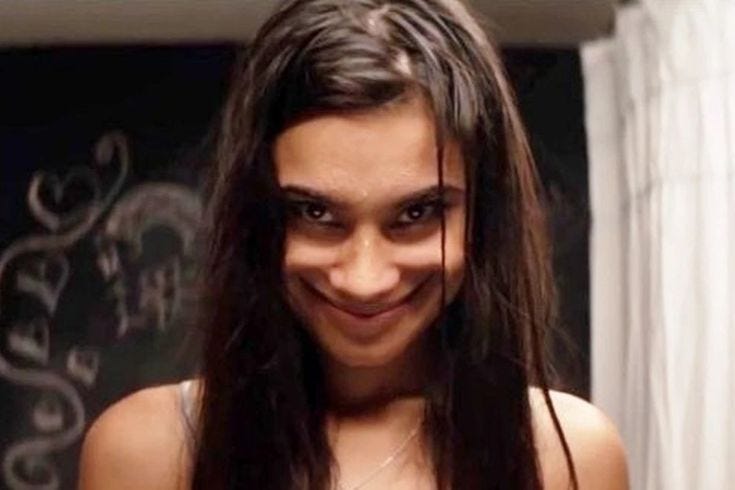
Horror movies like these feel like crisp apples because they don’t just throw upside-down crosses and demons at you to shock you out of your seat. They touch on the susceptibility of it all. Then there was Smile, and I ate up both one and two because, again, it was one of those things you could not necessarily determine or control. Worst of all, it made you question reality itself. Then there are films that aren’t even technically horror but feel like horror movies—La La Land, and of course The Boy in the Striped Pajamas—because what horror is is greatly defined by the person experiencing it. Its magnitude is determined not only by susceptibility, but by the repercussions and dire circumstances that person finds themselves in if they end up in that situation.
In today’s horror movie ecosystem, there exists a recurring trope: some type of detriment to women being caused by men. When we look at Don’t Worry Darling— trying my hardest not to spoil it—the main umbrella of the film points toward a terrifying idea. The possibility that what you’re experiencing is not real is already scary enough. Once you start questioning reality, it’s either that reality itself isn’t real, or that you can no longer comprehend what is real and what isn’t. It becomes a distress not only with your environment but with yourself, and that leads to the very fragments of who you are crumbling like dust.
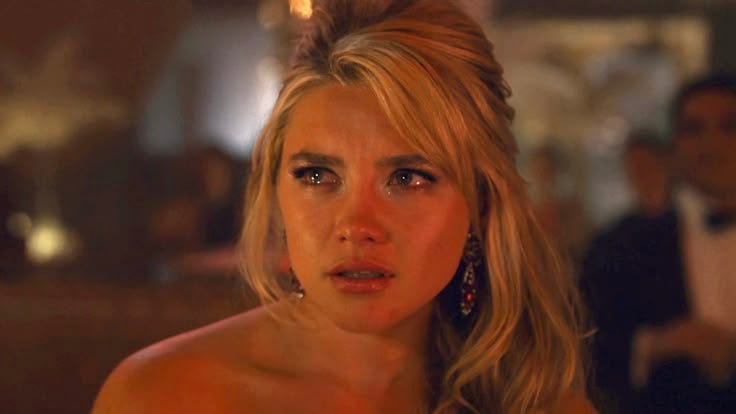
That was already a fear, but the biggest portion of that fear was that Alice finds herself in a detrimental situation to which she gave neither consent nor agreement. The worst part is that she doesn’t even know it’s happening. The way she discovers it becomes the horror itself.
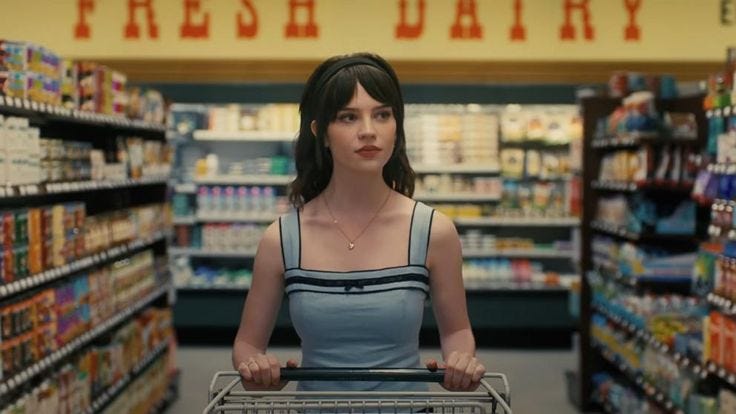
Then we look at Companion. Yes, we understand that Iris is not biologically a person, but she is assigned the identity of a woman and all the baggage that comes with that identity in society. Because, of course, if you can’t legally and socially subjugate an actual woman in certain ways, why not just make your own? Iris starts to realize that the man she loves and trusts has a little too much control over her, and then she realizes the situation goes even deeper than that. The difference is that she decides she isn’t going to have it.
For my third layer of the cake, we have Obsession, and obsession is really what this essay is about.
The bones of Obsession basically tell the story of someone who is afraid to speak, but instead of choosing to die with that fear, chooses to allow someone else to die. Bear wanted Nikki to love him. She asked him. She gave him an opportunity to be honest, to say what he felt, to tap into his emotions as an individual, as a man, but ultimately as a person, and confess. He chose not to.
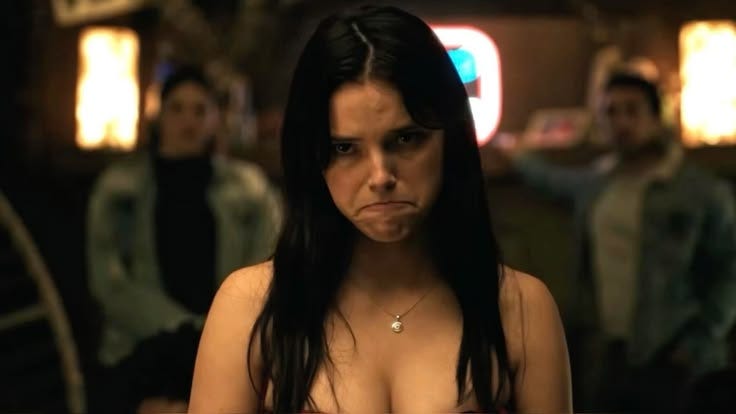
Rather than owning the awkwardness of that situation and facing the consequences head-on, he took a shortcut. Because why seek consent if you can force it?
So he uses a medium. Did he know it would work? It doesn’t really matter. The fact of the matter is that he actively did it because he wanted to, and he was willing to find out whether it would work. It was a love that was not earned, but one he felt entitled to. So he snapped that bone. He made that wish. And she became obsessed.
The twisted nature of that obsession that drew me in was how Bear consistently saw that the person he wanted to fall in love with him had disappeared. He could see how she had changed, how so much of her behavior had become unnatural and exaggerated, but he constructed this lie in his head that it wasn’t that bad. So he let it fester and fester until everything finally collapsed.
I think the tragedy of Obsession is that he made her into the monster she became, and then spent his time petting the horror he had woken up.
One scene that really gets me is when she begs him to kill her. You can feel the trauma festering inside her because who knows where she had been all that time while this thing had taken over her body and her life. More than that, I think the saddest part is when she finally wakes up. Everyone who could have gotten her out of the situation is dead. She has committed crimes with her body that her mind never consented to. No one is left who can speak on her behalf, no one who can corroborate her story and say that this was not actually her fault.
He took the easy route because he could not live with what he had done. It looked like sacrifice because if he died, she’d be free. But no—his death placed her in even more bondage. Now she has all her faculties returned to her, she remembers everything, and she can be punished for actions she never consciously chose, with nobody left to prove otherwise.
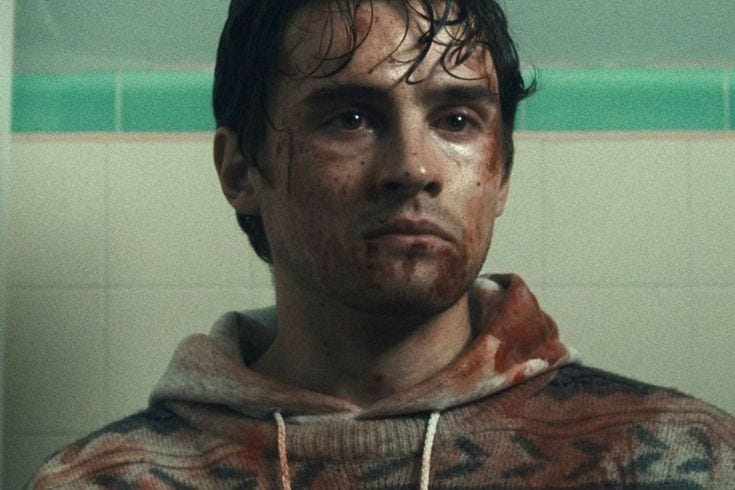
This is the reality for a lot of women: being pulled into situations, circumstances, and worlds not entirely of their own making, then being forced to navigate the consequences afterward. Being hated for becoming the very thing someone else made them. More than that, there is an entitlement to it.
What Obsession captures almost perfectly is weaponized insecurity. Since Bear didn’t have the courage to do what was necessary, he had something else do it for him. That gave him the unconditional love and submission Nikki was now offering. What I find most interesting is how long it lasted, even when he knew something was wrong.
All of this is to say that when we look at how these films align, we can see that today’s horror movie tropes are not nearly as far-fetched as they seem. It may not happen exactly the way it does on screen, but there are women living in the same situations, and often worse ones. That’s what makes it scary.
In a horror movie, we recognize it as horror.
In real life, it’s somebody’s Tuesday.